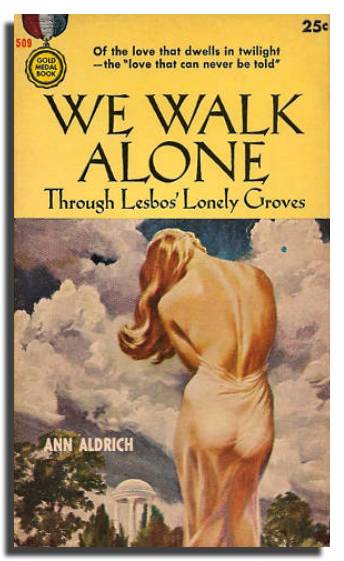
We Walk Alone by Ann Aldrich (a pseudonym of Marijane Meaker) is a groundbreaking 1955 work of non-fiction pulp that documented lesbian life in Greenwich Village, drawing on the author’s own experience as a lesbian. Part sociological survey, part first-person reportage, the book addressed its subject at a time when almost no mainstream publishing did so directly, covering topics including lesbian identity, bar culture, the law, and the question of whether lesbianism could be “cured.” The book was controversial within the lesbian community on publication — critics noted its reliance on Freudian and Kinseyite frameworks and its emphasis on pathology — but its candour and reach made it a landmark nonetheless. It was reprinted multiple times through the early 1960s by Gold Medal/Fawcett, and reissued in 2006 by Feminist Press at CUNY with a new afterword by Stephanie Foote.
Genre: Checklist by Marion Zimmer Bradley; Non-Fiction; Pulp
Subjects: Lesbianism; Lesbians
Comments
We Walk Alone is one of the most significant documents in the history of lesbian publishing. Ann Aldrich was the non-fiction pseudonym of Marijane Meaker, who also wrote lesbian pulp fiction as Vin Packer, young adult fiction as M.E. Kerr, and later published a memoir of her relationship with Patricia Highsmith. We Walk Alone appeared in August 1955, the same year as the founding of the Daughters of Bilitis, and its publication was a cultural event. The Daughters of Bilitis publicly debated the book, finding it simultaneously valuable and flawed — praising its scope while criticising its over-reliance on pathological frameworks and its tendency to sensationalise the more visible or unconventional elements of lesbian life at the expense of those living quieter, better-adjusted lives.
That tension is the book’s most interesting quality from a contemporary perspective. Meaker wrote as an insider — she was a lesbian living in Greenwich Village — but she also wrote within the ideological constraints of 1955, drawing on Caprio, Kinsey, and Freudian analysts whose understanding of homosexuality was rooted in pathology. The result is a book that is at once a genuine act of visibility and a document of self-contradiction, which is precisely why the Feminist Press reissue with Stephanie Foote’s afterword is valuable: it contextualises what the original could not.
The Gold Medal printings (1955 through 1962) represent the book’s original commercial life as a mass market pulp. The multiple printings attest to strong sales. The 2006 Feminist Press edition, at 183 pages, is slightly longer than the pulp editions, incorporating the scholarly apparatus absent from the originals. For readers approaching the book today, the Feminist Press edition is the recommended text.
Publication History
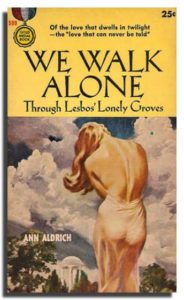
| Copyright Date | 1955 |
|---|---|
| Publication Date | August 1955 |
| Publisher | Gold Medal |
| Format | Mass Market Paperback |
| No. of Pages | 143 |
| Language | English |
| Notes | Gold Medal Book 509 |
| Rating | Not Rated |
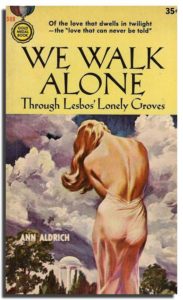
| Copyright Date | 1955 |
|---|---|
| Publication Date | 1956 |
| Publisher | Gold Medal |
| Format | Mass Market Paperback |
| No. of Pages | 143 |
| Language | English |
| Rating | Not Rated |
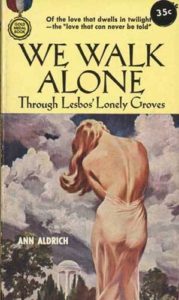
| Copyright Date | 1955 |
|---|---|
| Publication Date | 1956 |
| Publisher | Gold Medal |
| Format | Mass Market Paperback |
| No. of Pages | 143 |
| Language | English |
| Notes | Gold Medal Book 509 |
| Rating | Not Rated |
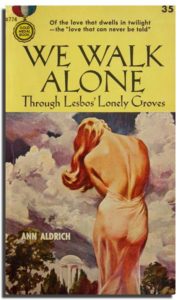
| Copyright Date | 1955 |
|---|---|
| Publication Date | 1958 |
| Publisher | Gold Medal |
| Format | Mass Market Paperback |
| No. of Pages | 143 |
| Language | English |
| Notes | Gold Medal Book S774 |
| Rating | Not Rated |
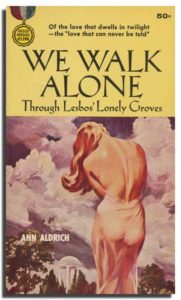
| Copyright Date | 1955 |
|---|---|
| Publication Date | 1962 |
| Publisher | Fawcett Publications |
| Format | Mass Market Paperback |
| No. of Pages | 143 |
| Language | English |
| Notes | Gold Metal d1196 |
| Rating | Not Rated |
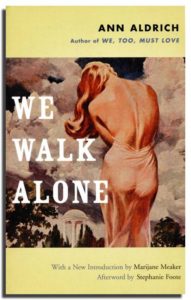
| ISBN | 9781558615250 |
|---|---|
| Copyright Date | 1955 |
| Publication Date | November 1, 2006 |
| Publisher | Feminist Press at CUNY |
| Format | Paperback |
| No. of Pages | 183 |
| Language | English |
| Rating | Not Rated |