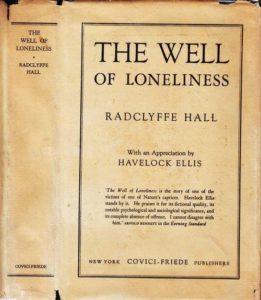
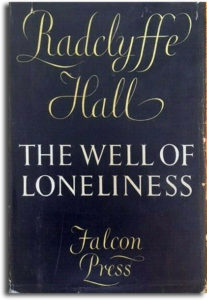
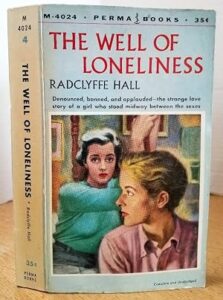
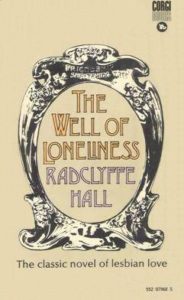
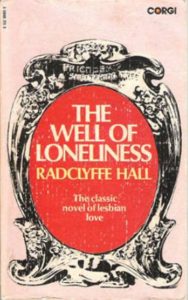
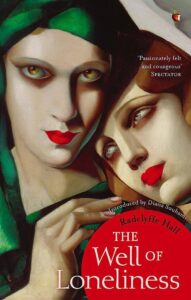
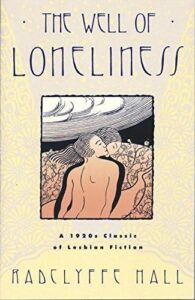
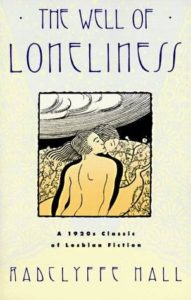
First published in 1928, this timeless portrayal of lesbian love is now a classic. The thinly disguised story of Hall’s own life, it was banned outright upon publication and almost ruined her literary career.
Radclyffe Hall’s The Well of Loneliness (1928) is one of the earliest English-language novels to treat lesbian identity as something serious, sympathetic, and worthy of respect. Earlier fiction mostly handled same-sex desire as scandal or hid it in coded hints. Hall put it at the center of the story, following Stephen Gordon, a wealthy woman who understands herself as an “invert” and who longs simply to love and be accepted.
The book became famous almost overnight when it was prosecuted for obscenity in Britain in 1928. It has no explicit scenes, so the case rested on the novel’s plea for lesbian relationships to be tolerated. The ban kept it out of British bookshops for years, but the publicity made it widely known and brought lesbianism into public conversation in a way few books had managed.
Its legacy is mixed. Hall drew on early sexology, which presented Stephen’s identity as inborn, an idea that supported calls for acceptance. Yet the novel’s tragic tone and masculine portrayal of its heroine have drawn criticism from later readers. Even so, for many people it was the first time they saw their own lives reflected in print, and it remains a key reference point in the history of lesbian writing.
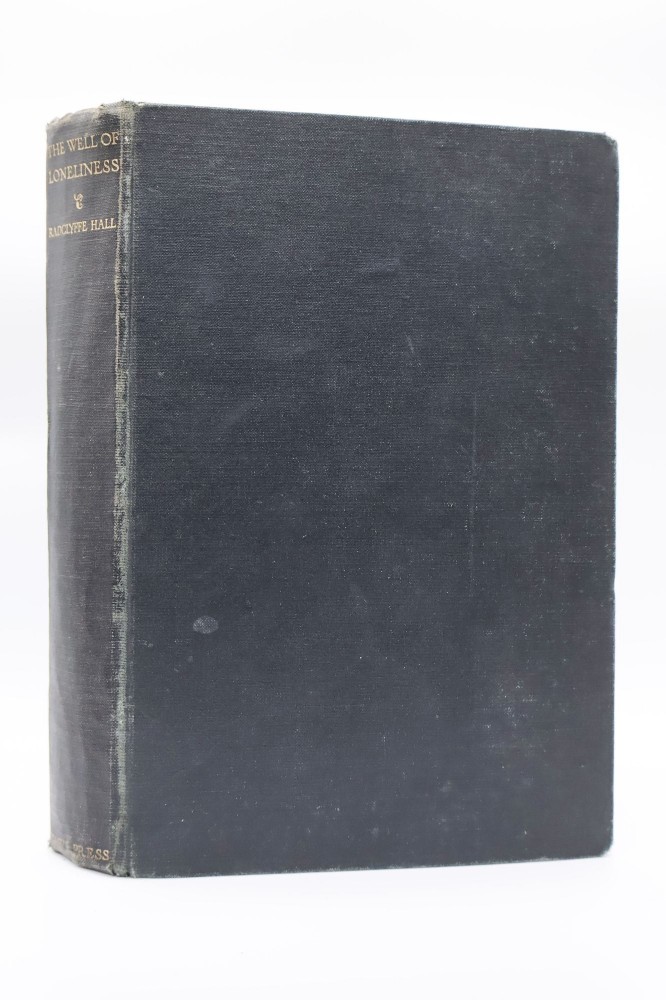
Publication History
Copyright Date
1928
Publication Date
1928
Publisher
Jonathan Cape
Language
English
Copyright Date
1928
Publication Date
1928
Publisher
Pegasus Books
Language
English
Copyright Date
1928
Publication Date
1928
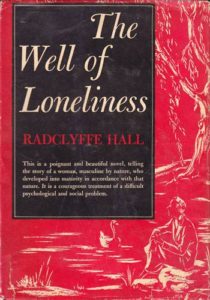
Publisher
Blue Ribbon Books
Format
Hardcover
No. of Pages
506
Language
English
Rating
Great
Copyright Date
1928
Publication Date
1928
Publisher
Sun Dial Press
Format
Hardcover
No. of Pages
403
Language
English
Rating
Great
Copyright Date
1928
Publication Date
1929
Publisher
Covici Friede
Format
Hardcover
No. of Pages
447
Language
English
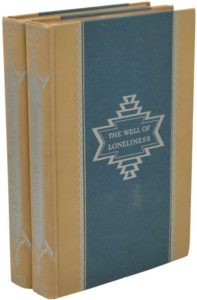
Notes
The Victory Edition, 225 numbered copies, title page by S. A. Jacobs, two volumes.