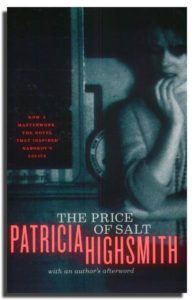
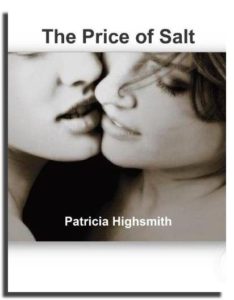
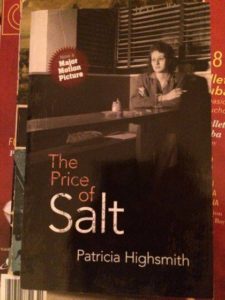
The Price of Salt has grown in popularity and in importance, and is now recognized as an American masterwork. Highsmith has given us the enthralling story of Therese Belivet and Carol Aird. Therese is a young stage designer who is trapped in a department-store day job, until one day her salvation arrives in the form of Carol. Carol is a beguiling suburban housewife in the throes of a divorce. They fall madly in love and set out across the USA, pursued by a private investigator. The P. I. eventually blackmails Carol into a choice between her daughter and her lover. A generation of women took this love story to heart and it had become a best selling lesbian novel. Since the production of the movie ‘Carol’ starring Cate Blanchett as Carol Aird and Rooney Mara as Therese Belivet.
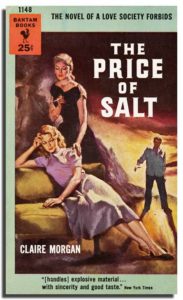
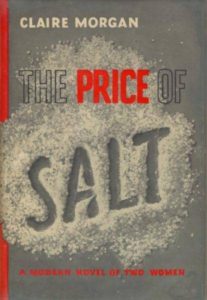
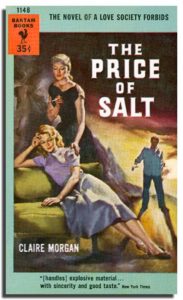
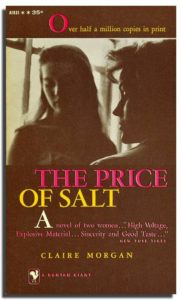
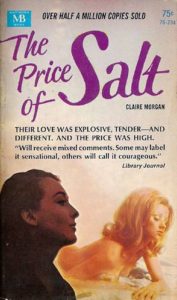
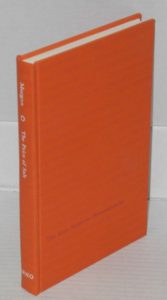
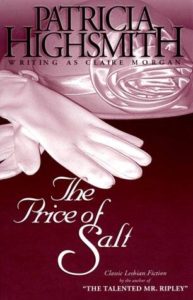
The Price of Salt was Patricia Highsmith's second novel, written after Strangers on a Train. Her publisher, Harper & Bros., turned it down, and Highsmith, unwilling to be known as a writer of lesbian books, offered it under the name Claire Morgan. Coward-McCann published it in hardcover in 1952 in a single printing. The real success came in 1953 with the Bantam paperback, which sold close to a million copies.
What made the book matter was its ending. Lesbian characters in fiction of the period were expected to pay for their love with suicide, madness or a return to a man, and Highsmith let Therese and Carol choose a future together. Letters addressed to Claire Morgan arrived by the dozen every week for months, and Highsmith later recalled one reader's message: "Yours is the first book like this with a happy ending!" She was more cautious herself, noting in a later afterword that she was not sure the claim was true because she had never checked.
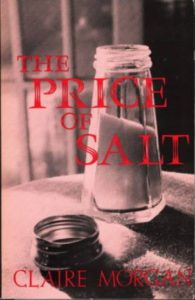
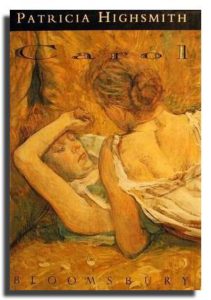
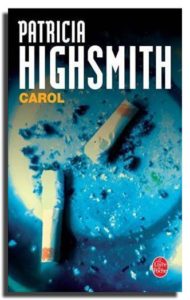
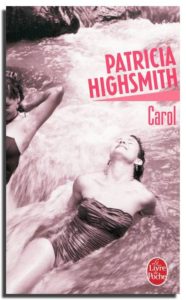
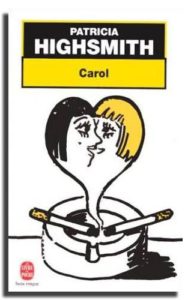
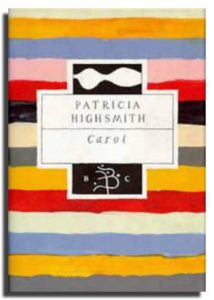
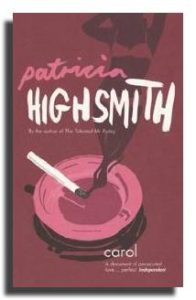
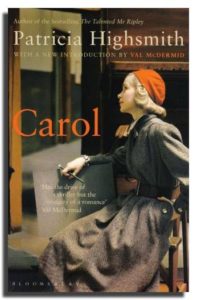
Naiad Press reissued the novel in 1984 with an afterword still signed Claire Morgan, and in 1990 Bloomsbury published it under Highsmith's own name and her preferred title, Carol, nearly forty years after its first appearance. Todd Haynes's film Carol (2015) brought it to a new generation, but this is the book that, under a pseudonym and in a drugstore paperback, reached lesbian readers at the height of the 1950s.
Publication History
Copyright Date
1952
Publication Date
1952
Publisher
Bantam
Format
Mass Market Paperback
No. of Pages
249
Language
English
Notes
Bantam 1148
A*** rating in Grier
Rating
Great
Copyright Date
1952
Publication Date
June 1952
Publisher
Coward McCann
Format
Hardcover
No. of Pages
276
Language
English
Notes
A*** rating in Grier
This book has been reissued in paperback format using her preferred title, Carol. A sizable part of the manuscript was first published as Carol In A Thousand Cities in the paperback anthology of that title edited by her friend Marijane Meaker (as Ann Aldrich), with whom Highsmith then shared a house in Bucks County, Pennsylvania.




Comment
The Price of Salt was Patricia Highsmith's second novel, written after Strangers on a Train. Her publisher, Harper & Bros., turned it down, and Highsmith, unwilling to be known as a writer of lesbian books, offered it under the name Claire Morgan. Coward-McCann published it in hardcover in 1952 in a single printing. The real success came in 1953 with the Bantam paperback, which sold close to a million copies.
What made the book matter was its ending. Lesbian characters in fiction of the period were expected to pay for their love with suicide, madness or a return to a man, and Highsmith let Therese and Carol choose a future together. Letters addressed to Claire Morgan arrived by the dozen every week for months, and Highsmith later recalled one reader's message: "Yours is the first book like this with a happy ending!" She was more cautious herself, noting in a later afterword that she was not sure the claim was true because she had never checked.
Naiad Press reissued the novel in 1984 with an afterword still signed Claire Morgan, and in 1990 Bloomsbury published it under Highsmith's own name and her preferred title, Carol, nearly forty years after its first appearance. Todd Haynes's film Carol (2015) brought it to a new generation, but this is the book that, under a pseudonym and in a drugstore paperback, reached lesbian readers at the height of the 1950s.