This Bridge Called My Back Writings By Radical Women Of Color by Theresa A. Jones
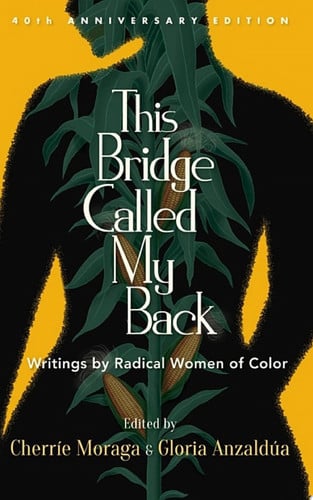
Fortieth anniversary edition of the foundational text of women of color feminism.Originally released in 1981, This Bridge Called My Back is a testimony to women of color feminism as it emerged in the last quarter of the twentieth century. Through personal essays, criticism, interviews, testimonials, poetry, and visual art, the collection explores, as coeditor Cherr e Moraga writes, ‘the complex confluence of identities-race, class, gender, and sexuality-systemic to women of color oppression and liberation.’Reissued here, forty years after its inception, this anniversary edition contains a new preface by Moraga reflecting on Bridge’s ‘living legacy’ and the broader community of women of color activists, writers, and artists whose enduring contributions dovetail with its radical vision. Further features help set the volume’s historical context, including an extended introduction by Moraga from the 2015 edition, a statement written by Gloria Anzald a in 1983, and visual art produced during the same period by Betye Saar, Ana Mendieta, Yolanda L pez, and others, curated by their contemporary, artist Celia Herrera Rodr guez. Bridge continues to reflect an evolving definition of feminism, one that can effectively adapt to and help inform an understanding of the changing economic and social conditions of women of color in the United States and throughout the world.